


A hair transplant is a surgical procedure that involves moving hair follicles from one area of the body to another, usually from the back of the scalp to the hairline.
This procedure has become increasingly popular in recent years as a solution for individuals struggling with hair loss or thinning with more and more people seeking to restore a fuller head of hair.
While many people have experienced successful results, there are also potential risks that patients should take under consideration before deciding to undergo this procedure.
To find out more about this topic, we hired Minuca Elena to reach out to 40 doctors and health professionals and ask them the following question:
What are the pros and cons of hair transplants?
Keep reading to see what they had to say.
Whether you are considering a hair transplant or simply want to learn more about the procedure, this expert roundup is a valuable resource for anyone interested in the field of hair restoration.
Dr. Jason Champagne

Advantages
- Hair restoration option results in natural-looking hair growth. Through techniques known as Follicular Unit Transfer (FUT) and/or Follicular Unit Extraction (FUE) which move individual hair follicles from an area of greater density on the back of the scalp to areas that have thinned over time, I am able to achieve a look that gives your hair improved thickness while appearing completely natural.
- With hair transplantation alone, patients typically start to see hair growth 3-4 months after their procedure, but I customize treatment plans with the latest techniques like PRP (platelet-rich plasma), laser technology and oral medication to significantly improve and speed up your growth process.
- Downtime is minimal. Patients can return to normal light activities and even work after a day or two.
- This procedure is completely safe and natural.
Disadvantages
- Patients may experience some itching and possible numbness in the areas of the scalp.
- Minor chances of infection.
- Patients must be in good health. I will review your medical history and perform a physical exam during the consultation. Be prepared to answer questions about current and past medical conditions. Talk about any medications you are currently taking or have taken recently, as well as any surgeries you have had. It is extremely important for me to know if you are allergic to any medications.
- You must have realistic goals and expectations.
Gökhan VAYNİ – Vera Clinic
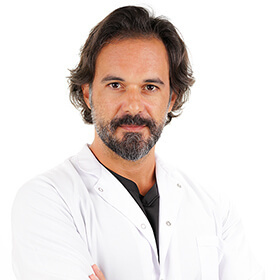
Hair transplants are growing in popularity since many people are learning about the benefits of the non-invasive process of a hair transplant which is becoming preferable over other treatments.
Hair transplants relocate hair from denser areas of growth to areas of hair loss, reversing the balding process and restoring hair growth.
One of the most popular treatments is an FUE hair transplant procedure, which has a very high success rate which involves taking an individual’s hair follicles and transplanting them to thinning or balding areas of the scalp resulting in a new hairline that will eventually create full hair regrowth.
The positives of a hair transplant are that they have a very high success rate and you can achieve your desired look.
Having a hair transplant can be the confidence boost many people need as it is known that hair loss can affect people in different ways including mood disturbance, depression, as well as negatively impacting someone’s self-confidence.
Hair transplants are very effective treatments for many types of hair loss, but they cannot stop future hair loss for everybody so it’s important you thoroughly research any procedure before moving forward.
For lasting results, people may need follow-up transplants so it’s worth discussing this with your practitioner as depending on the severity of your hair thinning, further treatment may be needed to help resolve any patches of hair loss or baldness.
If you are experiencing high levels of hair loss leaving patches of your scalp with very thin hair, treatment is available that can help to reverse this.
At Vera Clinic, we can assess the level of hair thinning you have and provide treatment to address any permanent hair loss seen which can include a hair transplant.
An FUE hair transplant may be the ideal solution to resolve your hair thinning if you have tried other methods and it appears hair follicles are not growing back.
Dr. Ray Nettles – Stop and Regrow

Pros:
The hair transplanted is permanent, once the follicle has successfully “taken” in its new location. It will not be impacted by genetic hair loss even far in the future.
Hair can be transplanted/restored into areas that are completely bald and have been for many years. Once a hair follicle is dead, it is not possible to regrow hair in that exact location unless a new follicle is transplanted/planted there in its place.
If a hair follicle is not used (lays dormant under the skin) for a few years or more the body will reabsorb it and it can no longer be revived and regrown.
It’s relatively fast in terms of speed to 50-60% density for severe hair loss cases. A hair transplant will achieve its best result at around 12 months post-surgery.
After that, the hair follicles between the transplanted hairs which will now have damaged blood supply from the surgery will speed up their hair loss process leaving only the transplanted hairs behind.
Note that the best density that can be achieved with a transplant is around 50-60% – it just is not possible to plant them closer together due to the size of the hole needed to fit the follicle and its blood supply. If hair loss is very progressive or has been active for over 10 years, regrowth to 50-60% density could take at least 2-3 years or longer.
Cons:
Your own natural hair regrown will always look far superior. You just cannot transplant hairs as close together as they grow on their own.
Even the most skilled single hair transplant surgeons achieve around 60-70% at the very best and in that case you are looking at at least $30,000+ cost for the best of the best surgeons.
You will look worse for the first 3-6 months. Initially, due to the shock of the surgery, the hairs will all fall out of the transplanted follicles around the 8-10 week mark and then will start to regrow after that.
Not all the transplanted hairs will “take” after the surgery. Although adjuncts like stem cells and PRP can help with the take rate, upwards of 10% of the follicles will fail and another round of surgery will be needed to replace them.
Transplant surgery is a band-aid on the symptom of hair loss. It does not stop the ongoing process of hair loss which will continue. This means unless something else is done to stop the cause of hair loss you will continue to need more transplants over time.
The problem with this is that most men are destined to lose more hair from their head than they keep and this means at some point will run out of donor’s hair leaving them without the option of another transplant even though they still have a widening bald patch.
I have seen men after running out of viable head hair to transplant continue on with beard hair and even chest or pubic hair. It looks pretty awful. Though potentially not as bad as a comb-over I guess 😉.
It does not treat the underlying internal issues which cause hair loss and that will continue to cause problems health-wise over time.
Other effects or symptoms that result from the same underlying causes of hair loss include BPH and prostate cancer, fatigue, oily skin, oily scalp, acne, lack of focus, anxiety, depression, difficulty sleeping, difficulty building lean muscle, low libido, and more.
We have even caught cases of cancer and brain aneurism during our assessment process which reviews all the biomarkers which can lead to hair loss.
It’s surgery. While there have been many improvements with the introduction of the robotic FUE method which for example now can take individual follicles from the donor area in random patterns across the scalp so there is no longer a scar line across the back of the head, a 1/3rd head surgery still takes at least 8 hours to complete and generally requires a second session or more to fill in areas where the initial grafts didn’t take.
It’s painful and places a large stress on the body. It is completed under only local anesthesia and many of my clients come to me saying that they could not possibly go through the experience again it was so awful in terms of both the physical and mental stress they went through during the process.
It’s expensive. The best surgeons charge over $30,000 per transplant. Yes, you can go to India for a $5000-$7000 transplant but there is no money back or redo guarantee in those cases.
In the US there are surgeons using the robotic method that will charge $7000 for the hairline section plus $5000 for every section after that if you return to the same surgeon (5 sections total), but that’s still $27000 before you run out of donor’s hair.
Not everyone is a candidate for a transplant either. Some people experience hair loss all over their heads, not just on top. You have to have viable unaffected hair follicles to transplant them, or you will end up losing them in the new location too.
Akis Ntonos – Aion Aesthetics

Pros
For male pattern baldness, female hormonal hair thinning, and scalp traumas, this technique works effectively to produce long-lasting benefits.
Since the entire expense is incurred in one process rather than over the course of a lifetime of therapy, hair transplantation is more cost-effective than pharmacological therapies.
The primary goal of this operation is to promote natural hair growth, which makes its results long-lasting.
The surgical outcome is under the patient’s control, and the final aesthetic attractiveness is attained in accordance with each patient’s vision.
The results can be very natural looking and overall an easy process.
Cons:
The most frequent adverse effects of the procedure include scalp swelling, itching, and infection of the hair follicles.
There is a danger of losing transplanted hair in particular circumstances; this is known as “shock loss.” There is a tiny probability that hair follicles will disappear before new hair grows. And this frequently results in scalp pimples.
Wide scars are more likely to form since a portion of the scalp is lost during transplanting.
Anna Chacon – My Psoriasis Team

A hair transplant has so many positive effects. It’s possible that we won’t be able to list every advantage associated with it, but we can mention the majority of them, which are as follows:
1. Organic hair development
An improvement in natural hair is shown after a hair transplant surgery. During a time of healing, your natural hair begins to grow and begin to replicate the other portions of your hair. Also, it is quite normal because it is still all your hair.
2. A long-term solution
Because the end result is typically permanent, having a hair transplant is one of its advantages. Your hair will start to grow once the surgical treatment is over and the recovery period has passed, just like it did before the hair loss started.
The most fascinating aspect is that it will eventually shed in a similar manner to the rest of your hair over time.
Men and women who have lost nearly half or all of their natural hair can benefit from it because of the permanent effect.
3. It’s the ideal treatment for people with severe baldness or alopecia universalis
These disorders and others that are similar may prevent people with these conditions from getting their normal hair back with alternative hair loss treatments like Rogaine or laser.
Individuals with these disorders can, however, regrow their natural hair through hair transplants.
an outpatient approach
It’s possible that this surgery only requires scalp extraction. This is just because the scalp already contains enough hair to complete the surgery.
4. Higher Self-Assurance
The majority of us worry about our appearance and what other people think of our outlooks, and everyone loves to look their finest. As a hair transplant is a natural treatment for hair loss, it would undoubtedly boost your self-confidence.
5. Savings on expenses
You would understand that hair transplant saves more money than other hair loss remedies when you contrast it with the other hair loss therapies that require you to spend money on your hair, purchasing various items that will stimulate the hair follicles, hence enabling the hair to grow.
Disadvantages
1. Possible dangers from hair transplantation
The procedure carries some possible risks, and all potential candidates should be aware of these risks. Infection, hemorrhage, and post-operative scarring are the majority of these risks.
There is no cure for lifelong scars, but skin infections are usually successfully treated with oral antibiotics and topical lotions. Before undergoing the treatment, it is crucial to go over any worries you may have with your doctor.
2. Unanticipated outcomes
The projected amount and quality of hair may not ultimately be the result because the surgical method is not an exact science.
A hair transplant is unlike other sorts of surgery since it’s challenging to forecast the amount and quality of hair you will likely end up with, similar to many other types of surgery with which you are familiar.
If the intended benefits are not achieved, a second transplant may be necessary.
The growth of the new hair depends on the condition of the hair follicles you collected, so it is difficult to anticipate how well it will grow after the surgery.
The majority of the time, patients choose to have a hair transplant because they wish to significantly improve one area of their hair or stop hair loss. Most of the time, hair transplants offer remedies to these issues.
3. Lengthy repair process
The growth of your transplanted hair takes time, so you won’t see results immediately away. A few hair follicles transfer the donor hair follicles to the bald area, and it takes some time for the transplanted hairs to begin sprouting once more.
In fact, it could take at least three months for your hair to fully regrow following this procedure. Following surgery, there is a chance that hair will start to fall out
The most essential weeks are the first two weeks after the procedure. During this time, the transplanted hair follicles may begin to shed some of their hair. Temporary or permanent hair loss are both possible. It’s usually only a passing occurrence.
4. It might hurt during the surgery
It may still be uncomfortable even with local anesthetic. If you’re anything like most patients, you’ll feel some pain after the procedure.
Painkillers are a useful tool for managing discomfort, but you should be aware that they may have negative interactions with other medications you are taking and result in side effects. In addition, not everybody experiences success with painkillers.
Dr. Bevin Bhoyrul – Sinclair Dermatology

Hair transplantation is a minimally invasive surgical procedure in which hair is moved from the donor area (a part of the scalp resistant to balding) to the bald area. Treatment for hair loss depends on the cause and should be tailored to the patient.
The most common form of hair loss is androgenetic alopecia (male or female pattern hair loss). Medical therapy is the cornerstone of androgenetic alopecia treatment.
However, there are some cases in which oral medication and other adjunctive therapies (e.g., platelet-rich plasma) are not effective. For instance, the recession of the anterior hairline can only be corrected with a hair transplant.
There are other circumstances in which no other method can grow hair. This includes scars e.g., from burns and surgery, as well as scarring alopecia i.e., conditions that result in the destruction of hair follicles and permanent hair loss.
Not every person is a good candidate for a hair transplant. It is important for patients to have a consultation with a dermatologist or hair transplant surgeon experienced in this procedure to establish suitability for surgery.
Providing a patient is a suitable candidate and the procedure is performed by a competent team, the outcome of a hair transplant is usually favourable.
The disadvantages of a hair transplant are minimal if the patient is a suitable candidate. Nevertheless, a few things need to be borne in mind.
The procedure can last up to 10 hours. It is performed under local anesthesia – injection of the local anesthetic is comfortable, but the rest of the procedure is well tolerated.
Following a hair transplant, patients are encouraged to take up to 2 weeks off work due to the presence of redness and crusting on the recipient area (the bald area on which new hairs are placed).
Finally, the most popular technique of hair transplantation (follicular unit extraction) requires shaving the back of the scalp, which may be an issue for people with long hair.
Dr. Glenn Vallecillos

A hair transplant is a surgical procedure that involves moving hair follicles from the back or side of a patient’s head where there’s more hair and placing it to bald or thinning areas on the scalp. Like any medical procedure, a hair transplant has its own advantages and disadvantages.
Advantages:
1. Natural results
Hair transplants provide natural-looking results, which can have a positive impact on a person’s appearance and self-esteem.
2. Permanent solution
Hair transplants are permanent solutions for hair loss. After implantation, the hair continues to grow.
3. Low maintenance
After the transplant, the hair requires minimal maintenance, and it can be styled and treated just like natural hair because it IS your natural hair.
4. Cost-effective
In the long run, hair transplant is arguably the most cost-effective hair loss treatment, as compared to specialty shampoos/conditioners and other hair products and medications.
Definitively, no results compare to those of excellent hair transplantation results as seen with ideal clients.
5. Awake procedure
Hair transplantation is performed awake as an outpatient procedure, and typically takes anywhere from four to 8 hours to complete, depending on the number of hairs being transplanted.
6. Scarless hair transplantation
FUE, or follicular unit extraction, is a novel way to transplant hair that leaves little to no scarring in the harvesting area, as compared to the “strip method ” whereby a large strip of hair would be removed from the back of the head to harvest hair, leaving a noticeable and permanent scar in the back of the head.
Disadvantages:
1. Expensive
Hair transplants can be expensive, especially if multiple sessions are required. The cost of the procedure varies depending on the extent of the hair loss and the number of grafts required.
2. Surgical procedure
A hair transplant is considered to be a minimally-invasive procedure, which means that there are risks associated with it, such as bleeding, infection, and scarring.
3. Recovery time
After the procedure, there is a recovery period of a few days to a few weeks, during which the patient must avoid strenuous activities and follow the surgeon’s instructions to ensure proper healing.
4. Not suitable for everyone
Hair transplants may not be suitable for everyone, especially those with extensive hair loss or certain medical conditions.
In general, a hair transplant is an effective solution for people experiencing hair loss, but it’s important to consider the advantages and disadvantages and consult with a qualified surgeon before making a decision.
Dr. Sanober Pezad Doctor, MD

Hair transplantation is beneficial for those suffering from patterned hair loss but with advancements in techniques, it also serves as a ray of hope for those suffering from hair loss due to scarring conditions.
Besides the physical advantage of youth and a head full of hair, hair transplantation serves as a great boost to the morale and self-esteem of many young adults who suffer from male-patterned baldness at a younger age.
The procedure is relatively safe and serves very beneficial when done by an experienced hair transplant surgeon.
However, the major drawback of hair transplantation is the maintenance and care required to ensure that the transplanted hair is not lost over time.
Since patterned hair loss is the most common indication for hair transplantation, one must remember that transplanting hair in the area of baldness does not correct the root cause that is causing the loss of hair in the first place. Hence, a repeat procedure may be required with time.
I have also seen very upsetting results when transplantation is not done by an experienced hand, since creating the hairline and placement of the grafts is an art and skill that only an experienced hair transplant surgeon possesses.
Dr. Victor Liu – California Regenerative Clinic

There are three ways to treat male pattern baldness (MPB). They can be used independently or in various combinations.
1. Non-surgical:
a. PRP and/or stem cell treatment have variable degrees of success.
– Best used in patients whose scalps have hair loss but the follicles (roots) are still present and alive.
– In younger patients who started losing hair and will most likely continue to lose hair, (iii) patients with alopecia areata with patches of hair loss) (iv) patients with diffuse hair loss, as is often the case with female patients, and (v) a variety of patients with hair loss due to mental and physical stress.
b. There is a variety of medical gadgets which has variable degrees of success, e.g., iRestore laser treatment
c. Medications such as Propecia, Rogaine, and supplements such as Nutrafol
2. Surgical:
a. Scalp reduction: surgically remove the bald areas of the scalp. Useful in patients with isolated areas of baldness in a loose scalp.
b. Scalp flaps. Areas of bald scalp are removed surgically and scalp with intact hair is transposed to cover these areas, and the donor area is closed by suturing the edges together.
c. Hair transplants
3. Hair Transplantation
The older methods of hair transplantation in which batches of 12-14 hairs are transplanted to the recipient location.
They are generally not done anymore because the results are unnatural and often result in unsightly scars. Modern hair transplant surgeons usually do the follicular unit transplant (FUT) or the follicular unit extraction (FUE) techniques.
These techniques use follicular units consisting of 1-4 hairs and their follicles and accessory structures to be implanted into the recipient locations.
In the FUT procedure, a strip of hair-containing scalp is removed surgically; the follicles are then meticulously separated and used for transplantation. The defect left by removing the strips is then sutured back together.
For the FUE method, no strip of the scalp is removed. Instead, the follicles are individually removed directly from the scalp. This leaves no scarring; the patient has little or no pain post-operatively. The FUT method leaves a sometimes unsightly scar, making the post-operative period more uncomfortable.
It is not unusual for the patient to return to work 1-2 days after the procedure with no pain, minimal swelling, and little to no swelling. Usually, it takes 6-12 months for hair regrowth.
Another advantage of the follicular unit technique is the precise hairline that can be obtained. The yield of hair growth is high. The follicles can be put anywhere.
It can be used for sideburns, eyebrows, and beard reconstruction. It is helpful to cover scars, such as in patients with unfavourable scars resulting from a facelift.
Sometimes, hair transplants can be accompanied by PRP or Stem Cell injections for better hair growth.
Dr. Harikiran Chekuri – Clinic Spots

Hair transplantation is a surgical procedure that involves taking hair from one area of the scalp and transplanting it to another area. The most common type of hair transplant is called follicular unit transplantation, which uses individual units of hair follicles that are genetically resistant to balding.
There are several disadvantages of hair transplantation:
1. There is a risk of infection and scarring.
2. The procedure is expensive and may not be covered by insurance.
3. There is a risk of rejection by the body, which can lead to loss of the transplanted hair.
4. There is a risk of side effects, such as pain, swelling, and bruising.
5. The results of the procedure may not be permanent.
Despite the disadvantages, there are also several advantages to hair transplantation, including the following:
1. The procedure can give you a fuller head of hair.
2. The transplanted hair is usually permanent.
3. The procedure can be used to correct scars from previous hair loss surgeries.
4. The results of the procedure are natural-looking.
5. There is no risk of rejection by the body.
If you are considering hair transplantation, it is important to consult with a hair loss specialist to discuss the pros and cons of the procedure. They can help you decide if hair transplantation is right for you.
Dr. Roshan Vara – The Treatment Rooms
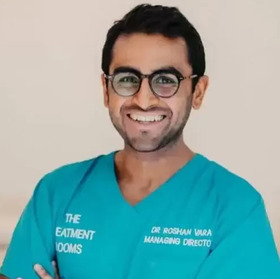
Advantages:
1. Increased confidence
The biggest advantage of a hair transplant is it provides a person with a new sense of self and renewed self-confidence.
Losing hair is a difficult thing for many people to accept, and they have a lot of shame surrounding it. And although it is a natural thing to occur, it doesn’t have to be this way.
A hair transplant can help to make someone feel better about themselves which can translate into feeling better about life and their future.
There is no longer any embarrassment attached to hair loss and it’s something you no longer have to think about.
2. Is a permanent solution
A hair transplant if all goes well, is a permanent solution to hair loss. Once you go through the healing and growing process, you will have natural, healthy hair for the rest of your life.
This gives a person an increased sense of self and you no longer have to fiddle around with growth hair products and be disappointed with the results.
Disadvantages:
1. Slower results
A hair transplant is not a quick healing surgery and therefore is not for everyone. It’s a long process and generally takes up to 9 months to a year for a full recovery.
This means more waiting, which is not easy for some people. It also looks intense from the beginning which can cause some people to feel self-conscious.
2. Requires care and maintenance
Because of the lengthy process of growing hair after a transplant, you need to maintain good scalp and hair hygiene.
There is a lot that goes into ensuring you take care of your new hair so it can grow out healthy. You need to follow the directions and guidance from your doctor and simply wait out the process if you want to transplant to be successful.
If you do not follow the right maintenance steps, you risk the procedure not being a success.
Dr. Natalie Kash – Root Hair

Advantages of hair transplants include the ability to increase hair density significantly in areas with little to no existing hair. Results look natural with modern techniques.
Transplanted hairs are usually permanent.
Hair transplants work well for many types of hair loss such as androgenetic alopecia/patterned hair loss/patterned balding. They can also work well for traction alopecia and in concealing scars from trauma or radiation on the scalp.
Hair transplants are generally well-tolerated with quick recovery relative to other cosmetic procedures. They do not require general anesthesia.
Disadvantages of hair transplants include that they do not prevent further loss, thicken non-transplanted hair, nor increase the total number of hairs on the scalp.
They move existing hair from one area to another, so this is not a good solution for those looking to increase the overall volume of their hair.
This is also why even when a hair transplant is performed, maintenance therapies such as medications, low-level light therapy, and injections are often also recommended.
Hair transplants are not an appropriate solution for everyone. Those experiencing certain types of hair loss such as shedding hair loss, autoimmune hair loss, or inflammatory hair loss are likely to not be good candidates.
The procedure day is often long. Results take time. It can look worse in the first few months after the transplant (as there can be temporary shock loss) before it looks better. It can take 4-6 months to start to see results and 12-15 months to see the full result.
Dr. Calvin Williams – Essential Dermatology Group

Hair transplant comes in two main varieties, follicular unit transplant (FUT) and follicular unit extraction (FUE).
I perform FUE because it is a technique with a high yield, meaning a large percentage of the hairs transplanted will ultimately take and grow healthily.
But the major benefit of FUE is that this technique in particular can be virtually scarless, unlike the techniques in the past that left patients with large scars on the posteriors of their scalps.
And most importantly, the hairs transplanted are permanent, as they are almost impervious to the effects of DHT (Dihydrotestosterone), the hormone known to be at the center of hair loss for most patients.
While hair transplant can be costly, for patients who have experienced significant hair loss and have all but maxed out medical therapy, hair transplant can be a great option and patients should discuss with a board-certified dermatologist if they are an ideal candidate.
Dr. Nicolás Eugenio de Vicente Muñoz – Easy Hair Hub
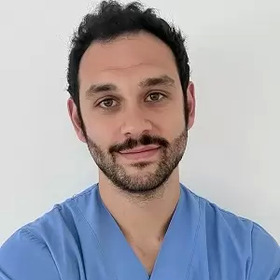
If we talk about the FUE (Follicular Unit Extraction) technique, we can summarise the pros and cons as follows:
Pros:
- Local anesthesia, a painless surgical process.
- Outpatient surgery in practically all cases.
- Scars are almost invisible and perfectly concealed.
- The postoperative period is well tolerated.
- Allows grafting not only on the head but also on the beard or eyebrows.
- Shorter postoperative rest.
- Good final density, if the case allows it.
- The hair does not fall out again, and the possibility of rejection is practically non-existent because it is the patient himself who donates the follicular units.
Cons:
- It is a minimally invasive surgery and must be performed by healthcare professionals. Not all centers guarantee these conditions.
- There are risks, as in all medical procedures. These are minor risks, but they must be known and the patient must be informed of them.
- It is a long process, and the results are not immediate.
- In almost all cases it is necessary to shave the hair.
- Financial outlay.
Dr. Shirley Madhère – Holistic Plastic Surgery

There are a number of ways to manage hair loss. In my practice, I follow a ladder of therapeutic tools that help to determine which patients are candidates for various techniques. Typically, an assessment of the factors that may contribute to hair loss is performed.
A holistic approach is followed in an attempt to address the root causes of the hair loss. Nutritional status, stress triggers, hormonal levels, and hair grooming routines are just some of the areas that are evaluated for each patient.
The management options include a number of procedures, including, but not limited to: topical products, Vital Hair Therapy (a series of scalp injections that involve a combination of vitamins and minerals to help soothe any inflammation of the scalp and support the hair follicle), platelet-rich plasma (PRP), and surgery.
When supplements, lifestyle changes, and prescribed medications are not sufficient to address the totality of the pattern of hair loss, some patients may be candidates for hair transplantation.
At its most basic, hair transplantation is a technique that transfers hair follicles from one site of the scalp (the “donor” site) to another part of the scalp where hair coverage is needed.
As with all procedures, both operative as well as minimally invasive, there are associated risks, limitations, and potential complications, in addition to the benefits.
The advantages of hair transplantation include:
- usually requires one session
- does not require general anesthesia; may be performed under light sedation or local anesthesia
- same-day procedure
- can produce natural results
- improved appearance (hair coverage) relatively immediate
Some of the disadvantages of hair transplant include:
- surgical procedure
- potential complications: tissue loss and failed to take of transplanted units
- unnatural results
- direction of the hair may not match your natural pattern
- the surgical hairline that does not follow natural lines
- potential complications: abnormal scarring, wound infection
Harpreet Kalra – Harley Street Hair Transplant Clinics

Pros
The gradual growth in confidence (as well as the hair of course) and the massive positive emotional response along with this is a priceless feeling for the patient. We know we have done our job when it doesn’t look like we have.
Bonus point shaving years off of patients as they tend to look much younger post-hair transplant.
Cons
When a botched hair transplant comes our way, it’s heartbreaking as the exact opposite happens (a massive loss of confidence which can also lead to mental health issues) as sometimes they are irreversible.
Regarding the actual hair transplant, it’s the short-term metaphorical “pain” of waiting for the growth only to go into the “ugly duckling” phase (or shedding phase) just as a patient sees growth.
This phase is at around 2-4 months post-hair transplant when the hairs fall out to be replaced by new ones that have been growing from the newly transplanted follicles.
Dr. Michael May – Wimpole Clinic
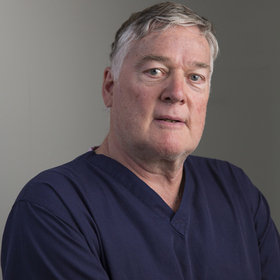
Pros:
1. Natural-looking
A hair transplant can make your hair look fantastic. Your hair will look exceptionally better than wearing synthetic hair.
Though it can be pretty evident that surgery was done during the early healing days, the look will eventually look very natural as it heals.
Even at a close-up, it is difficult to notice that it is not your natural hairline, especially if you opt for the FUE hair transplant.
2. Permanent results
Hair transplants are designed to give you permanent results. However, the surgeon’s expertise and how well you care for your transplanted hair are also important factors to consider.
To ensure you get lifelong results from your transplant, choose a reputable clinic with an experienced surgeon. Then, follow the primary and long-term aftercare instructions from your surgeon after the surgery.
3. Painless
The surgery takes place under local anesthesia so that you won’t feel anything during the procedure. No invasive incisions are involved. Post-surgery, you may experience some soreness and swelling across the scalp, but otherwise, hair transplant surgery is usually painless.
Cons:
1. Costs
The cost may be relatively high for some people, especially when it is required to pay upfront.
2. Recovery period
You might have to take a break from work and some of your regular strenuous activities. A hair transplant is a surgery, so you must follow the recovery instructions carefully. Because if not, you can risk bleeding and infection.
It takes around two weeks for the swelling and scabbing on your scalp to settle down; after around four weeks, the hair transplant should no longer be noticeable.
Then, at about 3-6 months, you should start to see sustained hair growth in the transplanted areas.
Dr. Stavros Papandreou – BayMed Hair and Aesthetics
One of the pros of a hair transplant is that it is permanent. The hair we transplant will stay there for a lot longer than the native hair.
One of the cons of a hair transplant is that it is permanent. If it is not done right from the beginning, it will need to be fixed.
Other pros include natural results, the process being safe, and the recovery being quick and easy.
Cons, the procedure is long, it takes several months until you start to see actual results, and it can be costly.
Dr. Gibran Shaikh – My Skin Color

Hair transplantation is the most effective way to restore the hairline for men with advanced male pattern alopecia (Androgenetic alopecia).
It is a one-day procedure under local anesthesia and t